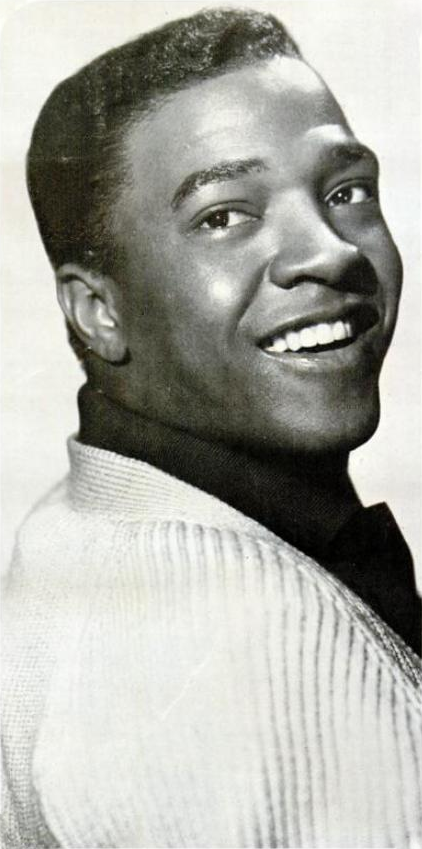
Clyde McPhatter
Influential R&B tenor who shaped doo-wop and soul.

General Artists Corporation/Marvin Drager · Public domain
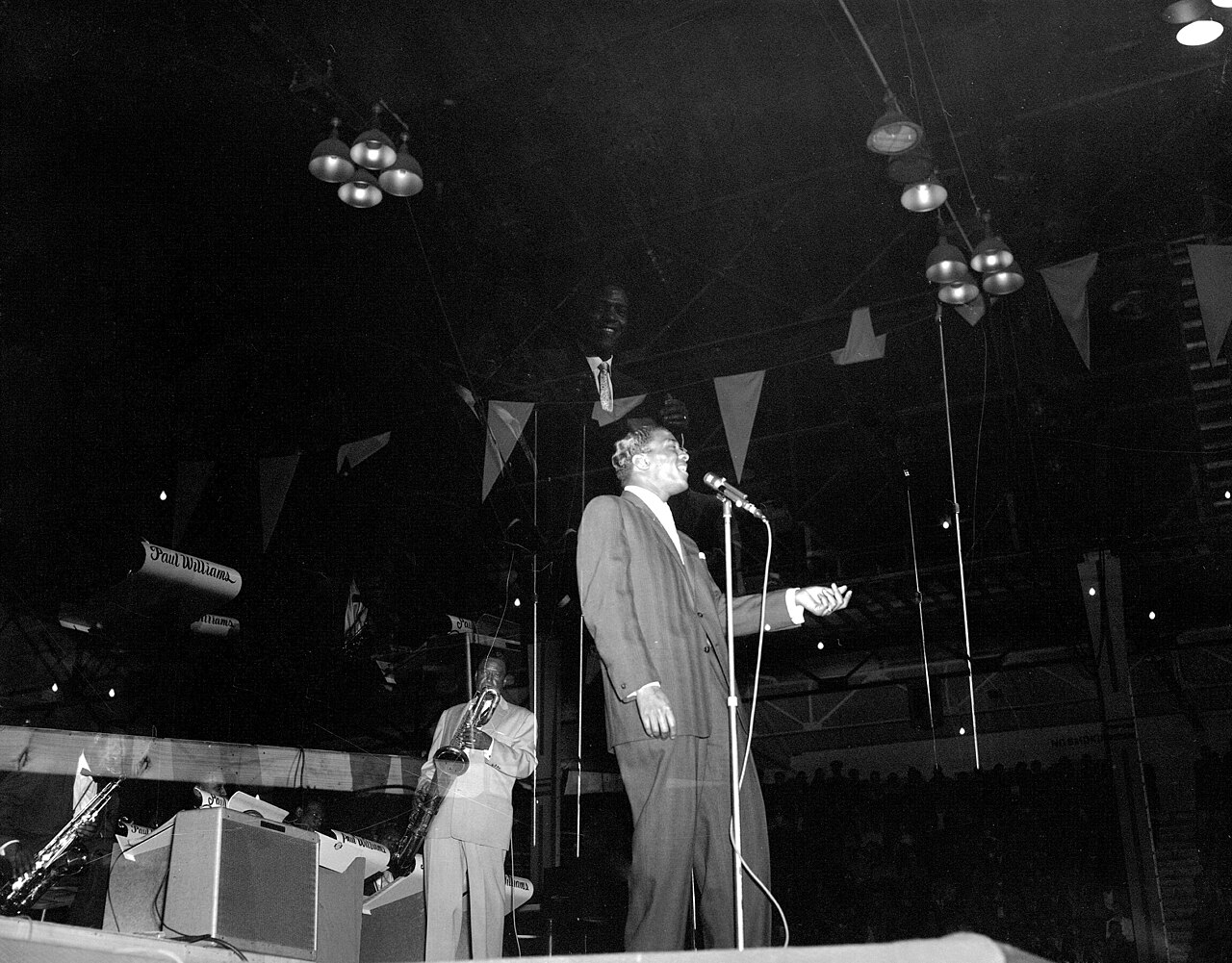
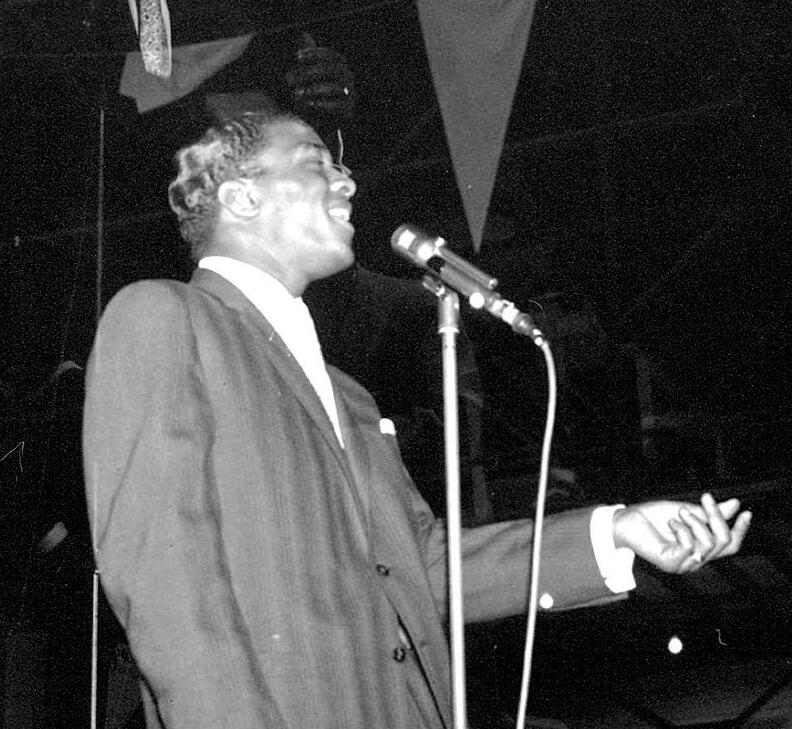
Clyde Lensley McPhatter (November 15, 1932 – June 13, 1972) was an American rhythm and blues, soul, and rock and roll singer. He was one of the most widely imitated R&B singers of the 1950s and early 1960s and was a key figure in the shaping of doo-wop and R&B. His high-pitched tenor voice was steeped in the gospel music he sang much of his early life.
- born
- November 15, 1932 (year disputed; some sources cite 1931, 1933, or 1934)
- died
- June 13, 1972
- field
- Singer
- nationality
- American
- known_for
- Lead tenor of Billy Ward and the Dominoes; founder of the Drifters; first artist
Verified Timeline
Lore & Background
McPhatter was born in the Hayti community of Durham, North Carolina, and raised in a Baptist family, the son of Rev. George McPhatter and his wife Beulah. Starting at age five, he sang in his father's church gospel choir; by ten he was the soprano-voiced soloist. In 1945 his family moved to Teaneck, New Jersey, where he attended Chelsior High School and worked as a grocery store clerk, later promoted to shift manager. The family then relocated to New York City, where Clyde formed the gospel group the Mount Lebanon Singers. In 1950, after winning Amateur Night at Harlem's Apollo Theater, McPhatter was discovered singing in the Holiness Baptist Church choir by Billy Ward and recruited into Billy Ward and his Dominoes. He was present for the recording of 'Sixty Minute Man.' As lead tenor, McPhatter was largely responsible for the group's initial success, though Ward paid him only $100 a week minus deductions. McPhatter told journalist Marcia Vance in 1971, 'whenever I'd get back on the block where everybody'd heard my records—half the time I couldn't afford a Coca-Cola.' He left the Dominoes on May 7, 1953, after coaching Jackie Wilson as his replacement. Ahmet Ertegun and Jerry Wexler signed McPhatter to Atlantic Records on the condition he form his own group. He assembled the Drifters, initially drawing from the Mount Lebanon Singers. The group recorded hits including 'Money Honey,' 'Such a Night,' 'Honey Love,' 'White Christmas,' and 'What'cha Gonna Do.' In late 1954, McPhatter was inducted into the U.S. Army and assigned to Special Services, allowing him to continue recording. After his tour of duty, he left the Drifters and launched a solo career, selling his share of the group to manager George Treadwell—a decision he later came to regret, realizing he caused his fellow musicians to experience unprofitability. As a solo artist, McPhatter scored hits including 'Treasure of Love' (his first number-one R&B hit as a solo artist, selling over two million copies in the U.S.), 'A Lover's Question' (peaked at number six in 1958), and 'Lover Please' (peaked at number seven in 1962). He toured on integrated bills with Bill Haley and the Comets, Bo Diddley, The Platters, and The Drifters as part of Irvin Feld's 'Biggest Star of 1956.' After leaving Atlantic, he signed with MGM and Mercury Records but saw declining success. He struggled with alcohol abuse and depression, and died at age 39, according to Jay Warner's On This Day in Music History, 'broke and despondent over a mismanaged career that made him a legend but hardly a success.'
Reader's Guide
Clyde McPhatter's significance lies in his transformative role in rhythm and blues and doo-wop. His high-pitched tenor, rooted in gospel, brought a fervent, church-like intensity to secular music. As lead of the Dominoes, he helped make them one of the top R&B vocal groups in the country, garnering more popularity than the Clovers, the Ravens, and the Five Keys. As founder of the Drifters, he established a group that would become legendary, though its greatest successes came after his departure. His solo work produced enduring hits and influenced a generation of singers—Bill Millar named Ben E. King, Smokey Robinson, Sammy Turner, and Marv Johnson among the many vocalists who patterned themselves after McPhatter. McPhatter's legacy includes over 22 years of recordings and the distinction of being the first artist inducted twice into the Rock and Roll Hall of Fame—first as a solo artist in 1987, then as a member of the Drifters.
Did You Know?
- McPhatter was sometimes passed off as 'Clyde Ward, Billy's little brother' while singing with the Dominoes.
- He sold his share of the Drifters to manager George Treadwell after leaving the group, a decision he later regretted.
- His 1956 recording 'Treasure of Love' sold over two million copies in the United States alone and was awarded a gold disc by the RIAA.
- McPhatter was the first artist to be inducted twice into the Rock and Roll Hall of Fame—first as a solo artist and later as a member of the Drifters.
- Ruth Brown acknowledged in her later years that McPhatter was the father of her son Ronald, born in 1954.
Gospel Roots and Early Formation
Clyde Lensley McPhatter entered the world in Hayti, a community within Durham, North Carolina, on November 15. While some sources debate whether his birth year was 1931, 1932, 1933, or 1934, his grave marker settles on 1932. Growing up in a devout Baptist household under the guidance of his father, Rev. George McPhatter, and his mother Beulah, music was woven into every aspect of daily life. From the age of five, Clyde sang alongside his three brothers and three sisters in his father's church gospel choir. By ten, he had already become the choir's soprano-voiced soloist, a remarkable feat for a child. In 1945, the family relocated to Teaneck, New Jersey, where Clyde attended Chelsior High School and worked part-time as a grocery store clerk, eventually being promoted to shift manager. The family later moved to New York City, where the young McPhatter channeled his church-trained voice into a new gospel group he formed himself: the Mount Lebanon Singers. This early immersion in collective, spiritually charged vocal performance would become the foundation for everything that followed.
The Dominoes and a Vocal Revolution
In 1950, after winning the Amateur Night contest at Harlem's Apollo Theater, McPhatter returned to his day job as a grocery store manager. His breakthrough came when Billy Ward of Billy Ward and his Dominoes spotted him singing in the choir at the Holiness Baptist Church in New York City and recruited him as lead tenor. His fervent, high-pitched voice propelled the group to become one of the nation's top R&B vocal ensembles, outpulling the Clovers, the Ravens, and the Five Keys. Bill Millar observed that McPhatter took the Ink Spots' simple major-chord harmonies, drenched them in call-and-response patterns, and sang with the intensity of a man back in church, forging a revolutionary style that reshaped popular music. Vocalists including Ben E. King, Smokey Robinson, Sammy Turner, and Marv Johnson all patterned their singing after him. Yet despite the group's fame, McPhatter earned only $100 a week, with deductions for food, taxes, and motel bills. In a 1971 interview, he recalled returning to his neighborhood and being unable to afford a Coca-Cola. He departed the Dominoes on May 7, 1953, and a young Jackie Wilson eventually filled the lead tenor chair, absorbing the vocal approach McPhatter had left behind.
The Drifters and the Atlantic Years
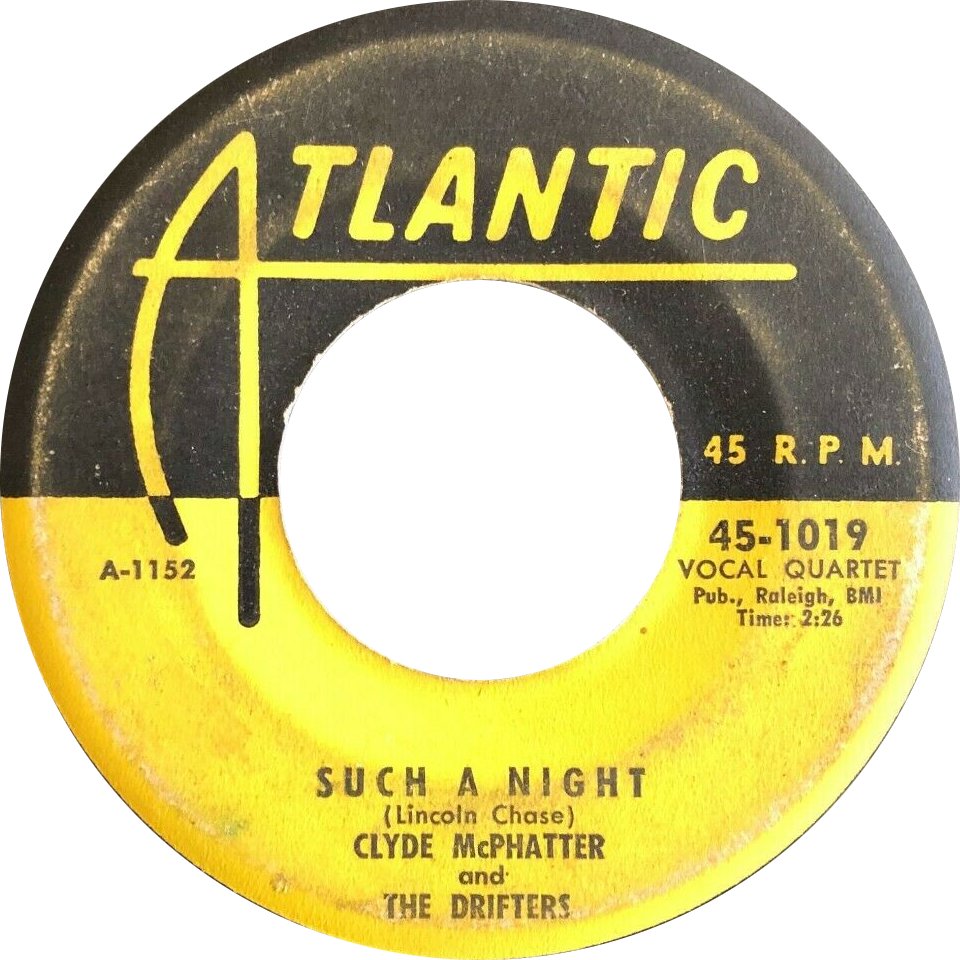
After McPhatter's departure from the Dominoes, Atlantic Records founders Ahmet Ertegun and Jerry Wexler, who had noticed his absence from a Dominoes appearance at Birdland, tracked him down and signed him to their label on one condition: he must form his own group. McPhatter promptly assembled a band and named them the Drifters. Their first recordings in June 1953 included "Lucille," a song McPhatter wrote himself, but Atlantic executives felt the sound was not what they envisioned, prompting him to reassemble the lineup. Drawing largely from his old Mount Lebanon Singers, the revised Drifters produced a string of hits including "Money Honey," "Such a Night," "Honey Love," "White Christmas," and "What'cha Gonna Do." Early singles bore the credit "Clyde McPhatter and the Drifters" before shifting to "The Drifters featuring Clyde McPhatter." In late 1954, McPhatter was inducted into the U.S. Army and assigned to Special Services stateside, which permitted him to continue recording. After completing his tour of duty, he departed the Drifters to pursue a solo career. The group endured and achieved its greatest commercial successes long after his departure, with the original lineup he assembled long since dissolved.
A Legend's Bittersweet Legacy
Clyde McPhatter left behind a recording catalog spanning more than two decades, a body of work that cemented his status as one of the most widely imitated R&B vocalists of the 1950s and early 1960s and a key architect of doo-wop and rhythm and blues. His influence on the Rock and Roll Hall of Fame was unprecedented: he became the first artist ever inducted twice, first as a solo performer and later as a member of the Drifters. Subsequent artists who earned double or triple inductions are said to join the "Clyde McPhatter Club," a distinction that speaks to the singular breadth of his contributions. Yet the man behind the legend faced a deeply troubling final chapter. For years he struggled with alcoholism and depression, and by the time he died on June 13, 1972, at the age of 39, he was, in the words of Jay Warner's On This Day in Music History, "broke and despondent over a mismanaged career that made him a legend but hardly a success." His story remains a poignant reminder that musical greatness and personal well-being do not always travel together.
Gallery
Frequently Asked Questions
Who is Clyde McPhatter?
Clyde McPhatter was an American rhythm and blues and soul vocalist born in 1932 whose high-pitched, gospel-inflected tenor made him one of the most imitated singers of the 1950s and early 1960s. He is best remembered as the lead voice of Billy Ward and the Dominoes and as the founder of the Drifters.
What role did Clyde McPhatter play in the development of doo-wop?
McPhatter's soaring, emotionally charged tenor became a template for the doo-wop vocal style that dominated American pop in the late 1950s. His phrasing and gospel-rooted delivery set the standard that countless group and solo vocalists tried to replicate in the years that followed.
Why is Clyde McPhatter inducted into the Rock and Roll Hall of Fame twice?
He was first inducted as a member of Billy Ward and the Dominoes and later as the founder of the Drifters, making him the first artist to earn two separate inductions. This double recognition underscores how central he was to two of the most influential vocal groups of the era.
How and when did Clyde McPhatter die?
McPhatter was killed in a car accident on June 13, 1972, at the age of 39. His death cut short a career that had already left a lasting mark on R&B, soul, and early rock and roll.
What made Clyde McPhatter's voice so distinctive?
His tenor sat in a very high register and carried a gospel-trained vibrato and emotional urgency that set him apart from other R&B singers of the time. That combination of pitch, feel, and phrasing became the blueprint for generations of soul and doo-wop vocalists who followed.
More in Pop & Rock Solo Artists 1-22
Spotted an error? Know more?
This is a living reference — every entry is fact-audited, and reader corrections feed straight into our audit queue. Suggest an edit · See this site's audit record